Semiconductors: The Building Blocks of Modern Technology
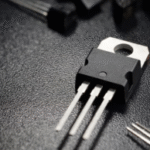
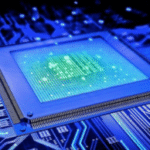
Semiconductors are the foundation of nearly every electronic device we use today. From smartphones and laptops to cars, industrial equipment, and even medical devices, semiconductors power the digital age. Their unique ability to conduct electricity under certain conditions makes them the perfect material for chips, processors, and integrated circuits.
Why Semiconductors Are Important
- Everyday Electronics: Chips control how your phone processes data, how your computer runs programs, and how your appliances stay energy efficient.
- Industrial Growth: Semiconductors drive automation, robotics, and advanced manufacturing, making industries more productive.
- Sustainability: Energy-efficient chips help reduce power consumption in EVs, renewable energy systems, and smart grids.
Key Trends Shaping the Industry
- Artificial Intelligence (AI): Specialized processors for AI and machine learning are in high demand.
- 5G & IoT: Next-generation chips enable faster connectivity and smarter devices.
- Electrification: Electric vehicles and clean energy solutions depend on high-performance semiconductors.
- Miniaturization: Smaller, more powerful chips mean lighter and faster devices.
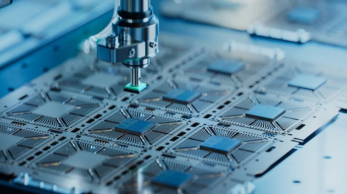
- Local Manufacturing: Countries are investing in semiconductor fabs to reduce global supply chain risks.
Challenges in the Semiconductor Sector
- Chip Shortages: Global demand often exceeds supply.
- High Costs: Advanced manufacturing requires billion-dollar facilities.
- Skilled Talent Gap: The industry needs more engineers and designers.
Conclusion
Semiconductors are more than just components—they are enablers of innovation. As technology advances, the role of semiconductors will only grow stronger, shaping the future of communication, transportation, healthcare, and beyond.