Understanding NMOS Technology: Powering the Next Generation of Electronics
The world of electronics is built on transistors, and among them, NMOS (N-type Metal-Oxide-Semiconductor) plays a vital role. NMOS technology is widely used in modern circuits because of its efficiency, speed, and scalability. From smartphones and computers to industrial systems and IoT devices, NMOS forms the foundation of countless innovations.
What is NMOS?
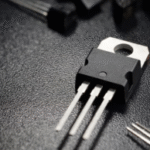
NMOS is a type of MOSFET (Metal-Oxide-Semiconductor Field-Effect Transistor) that uses electrons as charge carriers. Since electrons move faster than holes (used in PMOS), NMOS devices offer higher speed and better performance.
Key Benefits of NMOS
- High Speed: Faster switching makes it ideal for high-performance computing.
- Low Power Consumption: Efficient current handling reduces energy loss.
- Compact Design: Enables miniaturization of ICs and modern chips.
-
Wide Applications: Found in processors, memory, and logic circuits.
Applications of NMOS Technology
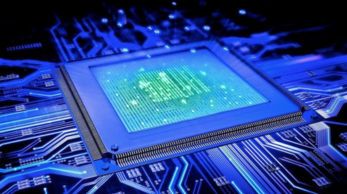
- Microprocessors & Digital ICs – NMOS is the building block of CPUs and GPUs.
- Memory Devices – Used in SRAM, DRAM, and cache storage.
- Switching Circuits – Offers faster response in logic gates and amplifiers.
- Consumer Electronics – Powers everyday gadgets like smartphones, TVs, and wearables.
Future of NMOS
With the rise of AI, IoT, and 5G, the demand for faster, smaller, and more efficient transistors is growing. NMOS continues to evolve with scaling techniques, FinFETs, and advanced nanometer processes, ensuring it stays relevant in next-generation semiconductor designs.
Conclusion
NMOS technology is more than just a transistor—it is the heartbeat of modern electronics. As industries shift toward smarter, greener, and more connected systems, NMOS will remain a cornerstone of innovation.